
How to Track Recurring Monthly Expenses and Stop Overspending
The Hidden Drain of Monthly Recurring Expenses
Every month, money leaves your bank account automatically. From streaming services and gym memberships to rent, utility bills, internet plans, and loan payments, recurring monthly expenses form the backbone of most household budgets. While automatic payments make life convenient, they also make it remarkably easy to lose track of where your hard-earned income goes.
When small recurring fees build up unnoticed, they create friction in your financial life. You might wonder why your bank balance is lower than expected at the end of the month, despite avoiding major impulse purchases. In this guide, you will learn how to audit your monthly commitments, build a reliable system to track recurring costs, and regain full control over your cash flow.
Step 1: Audit Your Recent Financial History
The first step toward controlling recurring bills is bringing every hidden fee into the light. Many people rely on memory or occasional bank glances, which leads to forgotten subscriptions and surprise auto-debits.
Review 90 Days of Statements
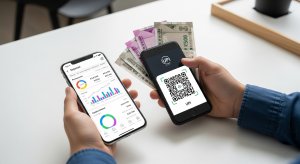
Gather your bank account statements, credit card bills, and digital payment histories from the last three months. Look closely for charges that repeat monthly, quarterly, or annually. Pay special attention to seamless payment channels; for instance, learning how to take control of your UPI spending can reveal small daily micro-transactions and recurring auto-pay mandates that usually fly under the radar.
Separate Fixed vs. Variable Recurring Expenses
Divide your recurring expenses into two main categories:
- Fixed Recurring Expenses: Costs that stay exactly the same every month, such as rent, insurance premiums, software subscriptions, and fixed loan EMIs.
- Variable Recurring Expenses: Expenses that occur every month but vary in amount, such as electric bills, groceries, gas, and mobile data top-ups.
Step 2: Create a Centralized Recurring Expense Inventory
Once you have identified all repeating costs, list them in one centralized place. Document the service name, due date, billing frequency, amount, and payment method.
Realistic Monthly Recurring Breakdown Example
Consider this example of a typical working professional's monthly recurring commitment list:
| Expense Item | Category | Frequency | Monthly Cost |
|---|---|---|---|
| Apartment Rent | Fixed Essential | Monthly | $1,200 |
| Utilities (Power/Water) | Variable Essential | Monthly | $130 |
| High-Speed Internet | Fixed Essential | Monthly | $60 |
| Streaming Services | Fixed Optional | Monthly | $35 |
| Gym Membership | Fixed Optional | Monthly | $50 |
| Car Insurance | Fixed Essential | Quarterly ($150) | $50 |
In this scenario, total monthly recurring commitments equal $1,525. Knowing this exact baseline number prevents you from overspending flexible income before essential commitments are met. If you are also managing structured long-term goals like buying a vehicle, you can read our guide on budgeting for a new vehicle to see how loan payments impact your monthly floor.
Step 3: Implement an Efficient Expense Tracking Method
Knowing your bill amounts is only half the battle; you also need a day-to-day method to track payments as they occur.
Comparison: Manual Tracking vs. Dedicated Financial Apps
| Feature | Spreadsheets / Notebooks | Dedicated Tracking App |
|---|---|---|
| Setup Effort | High (Requires manual formulas) | Low (Pre-built categories) |
| Real-Time Updates | Manual entry required | Instant entry on the go |
| Accuracy | Prone to human error | High precision |
| Accessibility | Limited to computer/book | Always available on smartphone |
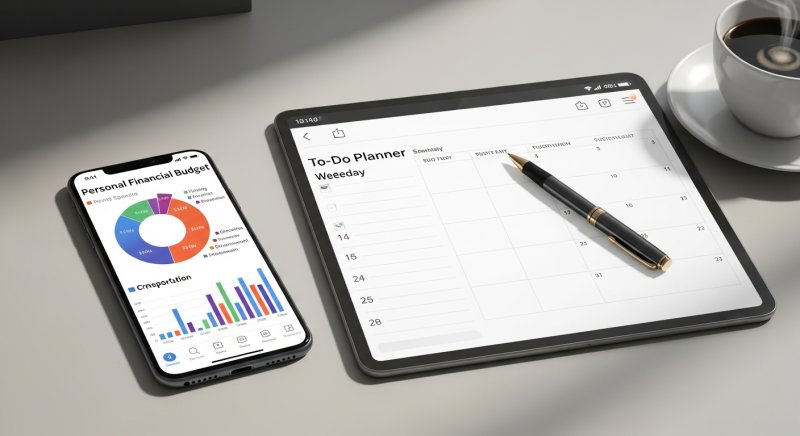
While paper notebooks or custom spreadsheets work for some, dedicated tools significantly reduce manual effort. Using an app designed specifically to track income and expenses gives you an instant snapshot of your financial standing without tedious spreadsheet updates.
Step 4: Adopt Proactive Budgeting Strategies
Tracking expenses is far more effective when paired with a clear financial strategy. Instead of reacting to bills after they hit your bank account, assign every dollar a purpose ahead of time. Many financial planners recommend prioritizing mandatory bills and savings before allocating spending money. To learn how to structure your cash flow around priorities, explore our detailed breakdown on pay-yourself-first budgeting.
Simplify Your Monthly Tracking with Depto Flow
Managing multiple payment schedules, varying utility bills, and personal budgets does not have to be overwhelming. Depto Flow provides an intuitive solution designed to help you track income and expenses effortlessly. With dedicated features to manage budgets, you can allocate exact spending limits for recurring categories and monitor your progress in real time.
Whether you need to keep tabs on monthly household utility trends or balance subscription services against your monthly income, Depto Flow keeps your financial data clear and structured in one convenient place.
Conclusion
Tracking recurring monthly expenses is essential for long-term financial peace of mind. By conducting a thorough 90-day audit, cataloging fixed and variable bills, and relying on modern tracking tools, you eliminate unexpected account deductions and keep your budget balanced.
Take control of your monthly finances today. You can download Depto Flow to organize your expenses, set customized budgets, and track your cash flow with confidence.