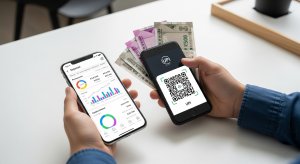

10 Bad Spending Habits That Are Keeping You Broke (And How to Fix Them)
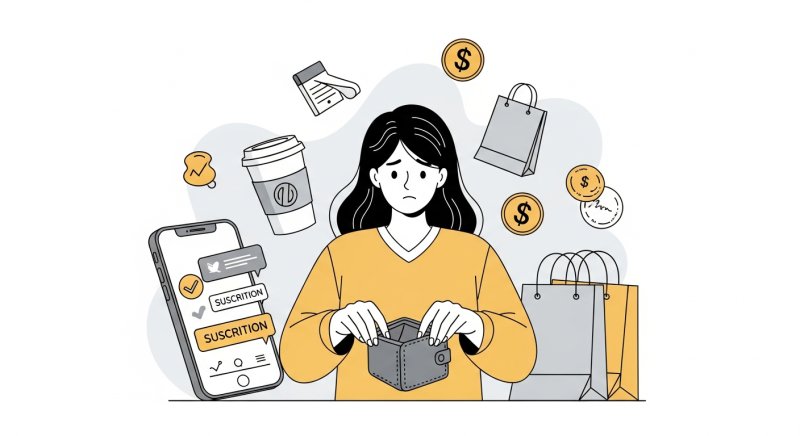
Are Your Spending Habits Secretly Draining Your Bank Account?
Ever wonder why, despite a decent income, your bank balance never seems to grow? The culprit often isn't a lack of money, but a collection of bad spending habits. These seemingly small, innocent choices can quietly sabotage your financial health, keeping you from saving, investing, or achieving your financial goals.
In this guide, we'll expose 10 common bad spending habits that are likely holding you back. More importantly, you'll learn practical, actionable strategies to identify and overcome each one, helping you take control of your money and build a more secure financial future.
1. The Impulse Buying Trap
The Habit: You see something you like, and before you know it, it's in your cart. This could be anything from an extra snack at the grocery store to a new gadget you didn't plan for.
Why It's Harmful: Impulse buys add up quickly. They divert funds from more important goals and often lead to buyer's remorse.
How to Fix It: Implement a "24-hour rule." If you want to buy something non-essential, wait a full day. Often, the urge will pass. Create a shopping list and stick to it, especially for groceries.
How Depto Flow Helps:
By diligently tracking all your expenses, Depto Flow makes impulse buys glaringly obvious. Seeing where your money truly goes can be a powerful motivator to change.
2. Ignoring Small Expenses (The Latte Factor)
The Habit: Dismissing small, frequent purchases like a daily coffee, a quick snack, or a small online purchase with the thought, "It's just a little bit of money."
Why It's Harmful: While individually small, these expenses compound over time. A ₹100 daily coffee habit costs ₹3,000 a month, or ₹36,000 a year – money that could be saved or invested.
How to Fix It: Become hyper-aware of these micro-transactions. Challenge yourself to cut back on one small, recurring expense. Consider making coffee at home or packing snacks. Understanding essential expense categories for Indian households can help you differentiate needs from wants.
3. Not Having a Budget
The Habit: Spending money without a clear plan or understanding of your income versus outflow.
Why It's Harmful: Without a budget, you're essentially flying blind financially. You don't know if you're overspending, underspending, or where you can cut back, leading to constant financial stress.
How to Fix It: Create a realistic budget that reflects your income and expenses. Allocate funds for different categories like housing, food, transport, savings, and entertainment. Remember, a budget isn't about restriction; it's about control. Learn how to build a flexible budget that works for you.
How Depto Flow Helps:
Depto Flow allows you to create and manage budgets for various categories, helping you stick to your spending limits and achieve your financial goals.
4. Relying on Credit Cards for Everyday Purchases (Without Full Repayment)
The Habit: Using credit cards for routine expenses like groceries or fuel, and then only paying the minimum due or carrying a balance.
Why It's Harmful: Credit card interest rates are notoriously high. Carrying a balance means you're paying significantly more for your purchases, trapping you in a cycle of debt.
How to Fix It: Use credit cards only if you can pay the full balance every month. Otherwise, switch to debit cards or cash for everyday spending. Focus on paying down existing credit card debt aggressively.
5. Emotional Spending
The Habit: Shopping or spending money as a way to cope with stress, boredom, sadness, or even excitement.
Why It's Harmful: Emotional spending often leads to purchases you don't need or truly value, providing only temporary relief while creating long-term financial strain and guilt.
How to Fix It: Identify your emotional triggers. When you feel the urge to spend emotionally, find healthier coping mechanisms like exercising, talking to a friend, reading, or pursuing a hobby. Acknowledge the feeling without acting on the spending impulse.
6. Keeping Up With the Joneses
The Habit: Spending money to match the lifestyle or possessions of friends, family, or social media influences.
Why It's Harmful: This habit is a never-ending race that can lead to significant debt and financial insecurity. You're sacrificing your own financial well-being for external validation.
How to Fix It: Shift your focus to your own financial goals and values. Practice gratitude for what you have. Understand that true financial freedom comes from living within your means, not from external display. Consider how you'd manage your finances on a specific income, like learning to mastering your ₹50,000 salary.
7. Paying for Unused Subscriptions
The Habit: Subscribing to streaming services, gym memberships, apps, or magazines that you rarely or never use.
Why It's Harmful: These seemingly small recurring charges can quietly drain hundreds or thousands of rupees from your account each year for services you don't benefit from.
How to Fix It: Conduct an annual audit of all your subscriptions. Cancel anything you don't actively use or truly need. Many services offer free trials; set a reminder to cancel before you're charged if you don't intend to keep it.
8. Not Tracking Your Income and Expenses
The Habit: Having no clear picture of how much money comes in and how much goes out each month.
Why It's Harmful: This is the root of many financial problems. Without knowing your cash flow, it's impossible to make informed financial decisions, save effectively, or identify areas for improvement. You're essentially guessing with your money.
How to Fix It: Start tracking every rupee. Record all your income and every single expense. This clarity is the first step towards financial control. For a detailed approach, check out your guide to a monthly income and expense statement.
How Depto Flow Helps:
Depto Flow is designed to simplify income and expense tracking. It helps you record every transaction, categorize it, and see clear reports, giving you a complete overview of your financial health.
9. Lending Money Without Tracking
The Habit: Lending money to friends or family without keeping a proper record of the amount, who borrowed it, or the repayment terms.
Why It's Harmful: This can lead to misunderstandings, strained relationships, and significant financial losses if loans are forgotten or not repaid. It's a common way for your own funds to disappear.
How to Fix It: Always record any money you lend. Be clear about expectations for repayment. Treat it like a formal agreement, even with loved ones. For practical steps, read how to accurately record and track loans when borrowing from family.
How Depto Flow Helps:
Depto Flow has a dedicated feature for tracking money lent or borrowed, allowing you to record who owes you, the amount, and even track repayments and pending balances effortlessly.
10. Ignoring Financial Goals
The Habit: Spending money without a larger purpose or a clear vision for your financial future.
Why It's Harmful: Without goals like saving for a down payment, retirement, or a child's education, your spending lacks direction. It's easy to fritter away money on immediate gratification, delaying or even preventing you from achieving long-term security.
How to Fix It: Define clear, measurable financial goals. Break them down into smaller, achievable steps. Align your spending decisions with these goals. Every rupee spent should ideally move you closer to your objectives.
Take Control of Your Spending Habits Today
Breaking bad spending habits isn't always easy, but it's incredibly rewarding. By identifying these common pitfalls and implementing the strategies outlined, you can transform your financial life.
The first step is often awareness, followed by consistent tracking and conscious decision-making. Depto Flow can be an invaluable tool in this journey, simplifying the process of tracking income and expenses, managing budgets, and even keeping tabs on money lent or borrowed. Ready to take charge of your finances?
Start building better money habits today. Download Depto Flow and gain clarity over your spending.