
Is UPI Making You Spend More? Mastering Your Money in the Digital Age
The convenience of UPI has transformed how we pay for everything, from a cup of chai to online shopping. With just a few taps, transactions are complete, making life incredibly easy. But this very ease raises a critical question: Does UPI inadvertently encourage us to spend more money? Many individuals find their wallets feeling lighter than expected, wondering if the frictionless nature of digital payments is subtly influencing their spending habits. This article will explore the psychological effects of UPI on our finances, uncover the hidden truths behind digital overspending, and provide actionable strategies to help you maintain control and spend mindfully in the age of instant payments.
The Double-Edged Sword of UPI's Convenience
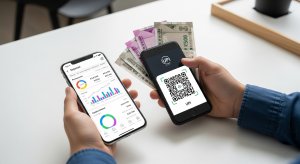
UPI, or Unified Payments Interface, has revolutionized digital transactions in India, offering unparalleled speed and simplicity. Gone are the days of fumbling for change or swiping cards. Now, a quick QR scan or a few taps on your smartphone completes the payment instantly. This seamless experience is undeniably beneficial, saving time and effort for millions. However, this very convenience can become a financial trap. When the act of spending money becomes too easy, the mental 'friction' associated with parting with your hard-earned cash diminishes significantly. Unlike handing over physical currency, which provides a tangible sense of loss, a UPI transaction often feels like moving numbers around on a screen, making it easier to disconnect from the real financial impact.
Unpacking the Psychology of Digital Overspending
Understanding why UPI might lead to increased spending requires a look into human psychology, particularly the 'cashless effect' and the concept of 'reduced friction.'
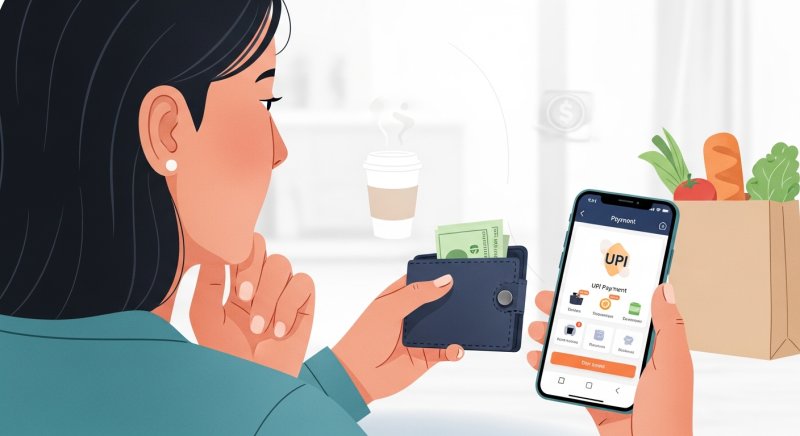
- The Cashless Effect: Research shows that people tend to spend more when using digital payment methods compared to cash. When you pay with cash, you physically see your money diminish, creating a stronger psychological barrier to spending. With UPI, money becomes an abstract figure in an app, making the 'pain of paying' less immediate and less real. This can lead to a phenomenon where you might swipe or tap without fully internalizing the financial outflow.
- Reduced Friction: The fewer steps involved in a transaction, the easier it is to complete. UPI excels at reducing friction. There's no wallet to pull out, no card to insert, no PIN pad to navigate. This speed, while convenient, means there's less time to pause, reflect, and reconsider a purchase. Impulse buys become much more frequent and effortless, chipping away at your budget without you even realizing it.
- Lack of Tangibility: When you spend cash, the empty spaces in your wallet serve as a physical reminder of your depleted funds. Digital payments offer no such tangible cue. Your bank balance might show a decrease, but it doesn't evoke the same immediate sense of loss as seeing a stack of bills disappear. This can lead to a disconnect between your spending actions and their cumulative effect on your financial health. If you're struggling with uncontrolled spending, you might also want to read about 10 Bad Spending Habits That Are Keeping You Broke (And How to Fix Them).
Actionable Strategies to Master Your UPI Spending
The good news is that you can harness UPI's convenience without falling victim to overspending. It all comes down to building mindful financial habits.
- Set Clear Spending Limits: Before you even start your day or week, decide how much you're comfortable spending via UPI for discretionary items. Stick to this limit diligently. This self-imposed boundary acts as a powerful deterrent against impulse purchases.
- Regularly Review Your Transactions: This is perhaps the most critical step. Make it a habit to check your UPI transaction history daily or every few days. Seeing a clear record of where your money has gone helps you connect the abstract numbers to real purchases and understand your spending patterns.
- Create and Stick to a Budget: A budget isn't about restriction; it's about giving every rupee a purpose. Knowing how much you can allocate to different categories—like food, entertainment, or transport—will guide your UPI payments. If you're unsure where to start trimming, check out Smart Cuts, Big Savings: Where to Trim Your Expenses First.
- Pause Before You Pay: Before you tap 'pay,' take a deep breath. Ask yourself: 'Do I truly need this? Does this align with my budget and financial goals?' This simple mental pause can prevent countless impulse buys.
- Utilize an Expense Tracking App: Manual tracking can be tedious, especially with frequent UPI transactions. This is where a dedicated expense tracker simplifies the process.
How Depto Flow Can Help You Regain Control
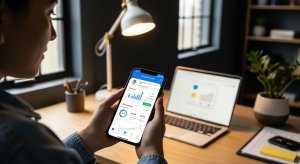
Tracking every UPI transaction can feel overwhelming, especially if you use multiple apps or make frequent small payments. This is where tools like Depto Flow become invaluable. Depto Flow helps you easily track all your income and expenses, giving you a clear, consolidated view of where your money goes. By diligently recording your UPI payments within the app, you can identify spending patterns, spot unnecessary purchases, and ensure you're sticking to your budget. It transforms abstract digital transactions into concrete data you can analyze and act upon. For those juggling multiple payment methods, Depto Flow offers a seamless way to consolidate your financial picture. Learn more about how to manage all your spending efficiently by reading Tired of Juggling? How to Track Expenses Across Multiple UPI Apps Seamlessly.
A Scenario: Transforming Digital Spending Habits
Consider Priya, a young professional who loved the ease of UPI. She'd frequently order food, buy small items online, and pay for commutes with a tap. At the end of the month, she often wondered where her salary went. Her bank statement was a long list of small UPI debits, making it hard to pinpoint her biggest spending areas.
Priya decided to take control. She set a weekly 'discretionary spending' budget of ₹1500 for UPI payments. More importantly, she started using Depto Flow to log every UPI transaction immediately after making it. In the first week, she noticed she spent ₹800 on impulse coffee runs and snacks. This immediate visual feedback from the app made her realize the cumulative impact of small, seemingly insignificant transactions. The next week, she consciously reduced these impulse buys, checking her Depto Flow budget before making a purchase. Within a month, Priya not only stayed within her budget but also saved an extra ₹2000 she previously wouldn't have accounted for. Her story highlights that awareness, combined with a simple tracking system, is the key to mastering UPI spending.
Conclusion
UPI's incredible convenience doesn't have to come at the expense of your financial well-being. While it can subtly encourage overspending due to its frictionless nature and the 'cashless effect,' awareness and proactive strategies are your best defense. By setting limits, regularly reviewing your transactions, budgeting effectively, and pausing before you pay, you can transform your digital payment habits.
To gain true clarity over your spending and ensure every rupee is accounted for, using a dedicated expense tracker is a game-changer. Depto Flow can provide that clear picture, helping you understand where your money goes and empowering you to make smarter financial decisions. Take the first step towards mastering your money in the digital age.
Ready to take control of your UPI spending and build healthier financial habits? Download Depto Flow today and start tracking your income and expenses with ease. Get a clear overview of your finances and make informed decisions. Download Depto Flow.