
Your Financial Compass: Mastering Money Management When Living Away From Home

Starting a new chapter away from home is an exciting milestone, offering a taste of independence and new experiences. Yet, this newfound freedom often comes with its own set of challenges, particularly when it comes to managing your finances. The thrill of living independently can quickly turn into stress if you're not prepared to handle your money effectively. Whether you're a student, a young professional, or simply embracing a new living situation, understanding how to budget, track expenses, and save is crucial. This guide will equip you with practical strategies to take control of your finances, avoid common pitfalls, and build a strong foundation for your financial future.
Crafting Your First Independent Budget: Your Financial Roadmap
The cornerstone of financial independence is a well-structured budget. It's not about restricting yourself, but about understanding where your money goes so you can make informed decisions. Here’s how to create your first independent budget:
- Calculate Your Income: Start by listing all your sources of income – salary, allowances, part-time earnings, or any other regular cash flow. Get a clear picture of your total monthly income.
- Identify Fixed Expenses: These are costs that typically stay the same each month. Think rent, utility bills (if they're fixed), loan repayments (student loans, vehicle loans), insurance premiums, and subscriptions (streaming services, gym memberships).
- Estimate Variable Expenses: These costs fluctuate. Common variable expenses include groceries, transportation (fuel, public transport fares), dining out, entertainment, personal care, and shopping. Be realistic with your estimates.
- Allocate Your Funds: A popular method is the 50/30/20 rule:
- 50% for Needs: Essential expenses like rent, utilities, groceries, and transportation.
- 30% for Wants: Discretionary spending like dining out, entertainment, hobbies, and shopping.
- 20% for Savings & Debt Repayment: Building an emergency fund, investing, or paying down high-interest debt.
Once you have a budget, remember it's a living document. Regularly review and adjust it as your income or expenses change. Understanding how your budget performs against reality is key. Learning about budget variance can help you make informed adjustments and stay on track.
Mastering Expense Tracking: Know Where Every Rupee Goes
Creating a budget is the first step; tracking your expenses is how you ensure you stick to it. Without knowing where your money is actually going, even the best budget is just a guess. Consistent expense tracking allows you to:
- Identify Spending Patterns: Pinpoint areas where you might be overspending.
- Make Informed Adjustments: If you're consistently over budget on dining out, you can consciously reduce it next month.
- Stay Accountable: Seeing your spending in black and white can be a powerful motivator.
You can track expenses using a simple notebook, a spreadsheet, or dedicated money management apps. The key is consistency. Make it a habit to log every transaction, no matter how small. Consistently tracking your spending provides a clear picture of your financial behavior. It's like decoding your wallet to understand your money habits, revealing areas where you can save or optimize.
Navigating Shared Expenses and IOUs with Roommates
Living away from home often means sharing living spaces and expenses with roommates or friends. This can quickly become a source of friction if not managed properly. Splitting rent, utilities, groceries, or even tracking small loans between friends requires clear communication and an efficient system. Relying on casual chats or memory for shared expenses can lead to misunderstandings. This is why WhatsApp isn't your best friend for tracking borrowed money.
Instead, establish a system for tracking who paid what and who owes whom. This could be a shared spreadsheet or a dedicated app designed for managing shared finances.
Building Your Financial Safety Net: The Emergency Fund
An emergency fund is a critical component of financial stability, especially when you're living independently. It's a pool of money specifically set aside for unexpected events like:
- Job loss or reduction in income.
- Unexpected medical emergencies.
- Urgent home or vehicle repairs.
- Sudden travel needs.
Without an emergency fund, these unforeseen circumstances can force you into debt, derailing your financial progress. Aim to save at least 3 to 6 months' worth of essential living expenses in an easily accessible, separate savings account. Start small if you need to; even saving a little each month is better than nothing. Automate transfers from your checking to your savings account to make it a habit.
Smart Spending Habits to Keep Your Wallet Happy
Beyond budgeting and tracking, developing smart spending habits is essential for long-term financial health:
- Cook at Home More Often: Eating out frequently can be a major budget drain. Learning to cook simple meals can save you a significant amount.
- Plan Grocery Trips: Make a list and stick to it to avoid impulse purchases. Compare prices and look for deals.
- Differentiate Needs vs. Wants: Before making a purchase, ask yourself if it's a necessity or simply something you desire. Prioritize needs.
- Avoid Impulse Buys: Give yourself a "cooling-off period" before making non-essential purchases. Often, the urge passes.
- Utilize Discounts: Look for student discounts, loyalty programs, or coupon codes where applicable.
Leveraging Technology for Financial Control
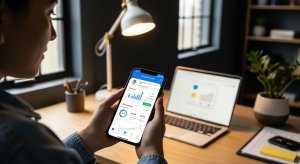
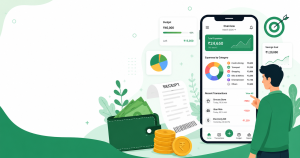
Managing money away from home doesn't have to be overwhelming. Tools like Depto Flow can simplify the process significantly. It allows you to track all your income and expenses, set and monitor budgets for different categories like groceries or entertainment, and even manage money lent or borrowed among friends or roommates. This means no more awkward conversations about who owes what, as Depto Flow helps you record repayments and pending balances accurately, giving you clarity and peace of mind.
Take control of your finances today. Download Depto Flow and start your journey towards financial independence.
Conclusion
Living away from home is an incredible journey, and mastering your finances is a key part of making it a successful one. By consistently budgeting, diligently tracking your expenses, building an emergency fund, and adopting smart spending habits, you'll gain confidence and control over your money. Financial independence isn't about having a lot of money; it's about having control over the money you have.
Your Next Step
Start by creating a simple budget and tracking your spending for a week. This initial step will give you valuable insights into your current financial habits. For a streamlined approach to managing your budget, tracking every expense, and simplifying shared financial obligations, explore Depto Flow. Download Depto Flow here to gain clarity and control over your money away from home.